

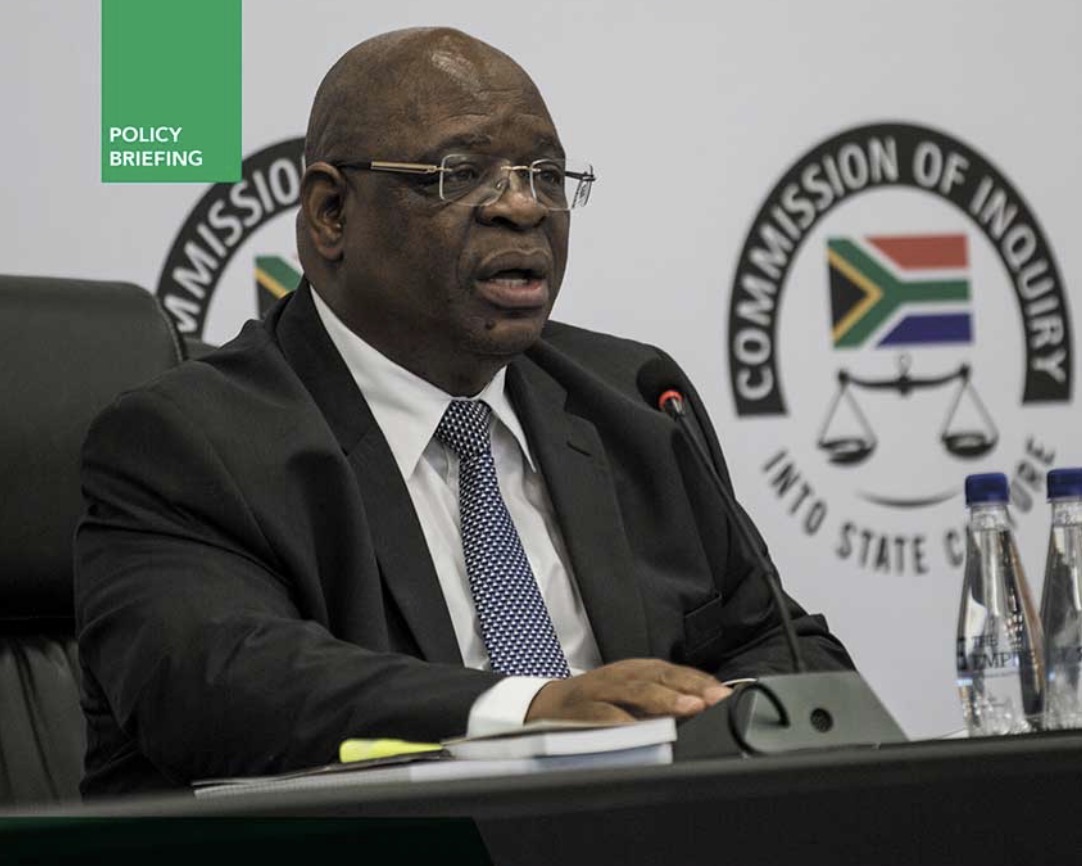
The Zondo Commission delivered its damning report two years ago, naming hundreds of individuals implicated in state capture. InsideOutNews investigates how many have faced justice — and the answer is deeply troubling.
Two years after Chief Justice Raymond Zondo delivered the final volumes of the State Capture Commission report — a 5,000-page indictment of systematic corruption under the Zuma administration — InsideOutNews has conducted a comprehensive audit of prosecutions arising from the commission’s findings. The results are deeply disappointing for South Africans who hoped the landmark inquiry would mark a turning point in accountability.
Of the more than 1,400 individuals and entities named in the Zondo report as having been involved in or benefited from state capture, fewer than 40 have faced any form of criminal prosecution. Of those, only 11 have been convicted — and none of the major figures identified by Justice Zondo as central architects of the capture project are behind bars.
The NPA’s Defence
The National Prosecuting Authority (NPA) has consistently defended its pace of prosecutions, pointing to the complexity of financial crimes cases, the need to build cases that will withstand scrutiny in court, and resource constraints that limit the number of prosecutors available to work on state capture matters. NPA spokesperson Lumka Mahanjana told InsideOutNews that “justice takes time, but it is coming.”
“The NPA is working through the most complex corruption cases this country has ever seen. These are not simple theft cases — they involve intricate financial structures, multiple jurisdictions, and thousands of documents.” — Lumka Mahanjana, NPA Spokesperson
Civil Society’s Response
Accountability watchdog organisations including Corruption Watch, the Organisation Undoing Tax Abuse (OUTA), and AfriForum have expressed profound frustration. They argue that the slow pace of prosecutions is eroding public faith in South Africa’s justice system and sending a message that high-level corruption carries minimal personal risk.
Some legal experts suggest the problem lies not with the NPA alone but with the broader criminal justice ecosystem — including an overwhelmed court system, a police service still recovering from years of political interference, and a culture within government departments of protecting colleagues rather than reporting wrongdoing.