

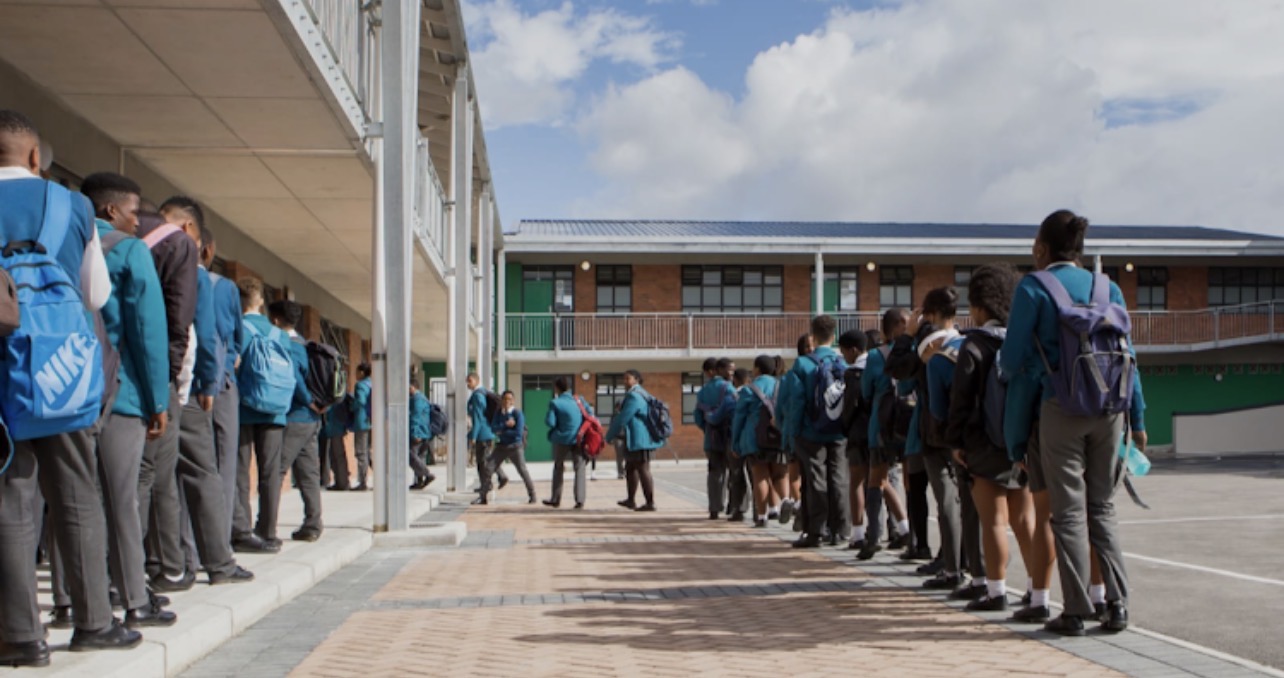
A devastating new assessment of South African primary school performance finds that the majority of Grade 4 learners lack basic reading comprehension — a crisis that experts say will haunt the country’s economy for decades.
Six out of ten South African learners reaching Grade 4 cannot read for meaning in any language — a catastrophic finding from the Progress in International Reading Literacy Study (PIRLS), in which South Africa ranked last among the 57 countries assessed. The results, which have been described by education experts as a “learning crisis of generational proportions,” have reignited urgent debate about the state of South Africa’s basic education system.
Reading for meaning — the ability to understand, interpret, and use written text — is considered the foundational academic skill upon which all other learning is built. Children who cannot read for meaning by Grade 4 are statistically unlikely to complete secondary school, almost certainly unable to access tertiary education, and severely limited in their employment prospects throughout their lives.
Root Causes
Education researchers identify several interconnected causes of South Africa’s literacy crisis. The country’s complex multilingual environment — with 11 official languages and most children taught in their mother tongue for the first three years before transitioning to English or Afrikaans — creates significant challenges that many schools are ill-equipped to manage.
“We are producing a generation that will struggle to function in a modern economy. This is not just an education failure — it is an economic time bomb.” — Dr. Nic Spaull, Education Researcher, Stellenbosch University
What Needs to Change
Education experts are calling for a focused national reading programme targeting the Foundation Phase (Grades 1 to 3), substantially increased investment in teacher training and support, and the provision of adequate reading materials in all 11 official languages. Several NGOs, including READ Educational Trust and the Funda Wande programme, have demonstrated that intensive, structured literacy interventions can produce dramatic improvements in reading outcomes within two to three years.